Moving to the United States comes with many challenges. Housing is often the first problem we face after arrival. Rent prices can be high, and long-term leases are not always possible at the beginning. Many landlords also require credit history, income proof, and deposits and new immigrants may not have these yet.
So, we need options that allow us to settle quickly, stay safe, and prepare for more permanent housing. That is where temporary housing comes in, and of course, affordable ones.
In this article, we will explain the budget-friendly temporary housing options that we can use while we find our footing in a new country. These options are practical, flexible, and designed to help us transition smoothly.
Why Temporary Housing Is Important for New Immigrants
Before we choose housing, we must understand why temporary options matter. Many of us arrive without credit history, rental references, or stable jobs. Landlords in the U.S. often require proof of income and background checks before renting apartments. These requirements make it harder to secure long-term rentals immediately.
Temporary housing helps us settle in a new city while we address these challenges. It gives us time to search for jobs, understand neighborhoods, and prepare for permanent housing without pressure. It also allows us to manage our expenses carefully, as many temporary options are more affordable than signing a long-term lease immediately.
Challenges Immigrants Face When Looking for Housing in the USA
Immigrants face several obstacles in the housing market. Understanding these issues helps us plan better and avoid common pitfalls.
-
Lack of credit history – Without credit, landlords may see us as high-risk tenants.
-
High rental deposits – Many landlords require one or two months’ rent upfront.
-
Proof of income requirements – Landlords want to know we can pay rent reliably.
-
Limited knowledge of local housing markets – It is difficult to know which neighborhoods are safe and affordable.
-
Language barriers – Misunderstandings can happen if we are not fluent in English.
Recognizing these challenges helps us make informed decisions when selecting temporary housing.
Budget-Friendly Temporary Housing Options for in the USA
Here are some of the options to consider:
1. Hostels and Budget Lodges
Hostels are one of the most affordable short-term housing options. They are common in major cities and areas with international travelers. Hostels provide shared rooms, kitchens, and basic facilities.
How hostels work: We typically rent a bed in a shared dormitory. Some hostels also offer private rooms at higher rates. Facilities often include common bathrooms, kitchens, and sometimes laundry services.
Typical costs: Prices can range from $25 to $60 per night, depending on location and season. Monthly rates may be available at a discount.
Length of stay: Hostels are ideal for short stays, from a few days to a few weeks.
Benefits and limitations: Hostels are cheap and flexible. They allow us to meet other travelers or immigrants, which can help with social connections. However, privacy is limited, and shared facilities may not suit everyone.
Hostels work best for those who need a temporary solution immediately after arrival or while visiting multiple cities.
2. Short-Term Room Rentals
Short-term room rentals allow us to rent a single room in a shared home. This option reduces costs compared to renting a full apartment while giving access to kitchen and living space.
How shared housing works: We live with other tenants or the landlord in a shared home. Responsibilities like cleaning and utilities are often split among occupants.
Where to find listings: Online platforms, local community boards, and social media groups often advertise available rooms.
Cost expectations: Prices range from $400 to $900 per month, depending on city and neighborhood.
What to check before renting: We should confirm the lease terms, safety of the building, included utilities, and house rules.
Shared housing is often the first stable housing option for many immigrants. It offers a balance between affordability and comfort while providing a sense of community.
3. Extended-Stay Hotels
Extended-stay hotels are designed for longer temporary stays. They offer weekly or monthly rates, basic kitchen facilities, and include utilities, internet, and furniture.
Features of extended-stay hotels: Fully furnished rooms, Wi-Fi, kitchenettes, laundry facilities, and cleaning services.
Average price ranges: $1,000 to $2,500 per month depending on city and location.
Situations where this works best: These hotels are ideal when we need flexibility, privacy, and a ready-to-move-in solution without long-term commitments.
Extended-stay hotels provide comfort and flexibility, especially for families or immigrants arriving with limited time to search for housing.
4. Homestay Programs
Homestays allow us to live with a local family. These programs typically provide a private room and shared household spaces, sometimes including meals.
How homestays work: We sign an agreement with the host family, covering length of stay, payment, and house rules.
Benefits for new immigrants: Homestays provide affordable housing, a sense of security, and immediate social support.
Cultural support advantages: Living with locals helps us understand American culture, learn language skills, and integrate into the community.
Safety and agreement rules: We should check references, confirm payment terms, and understand the family’s rules to avoid misunderstandings.
Homestays are helpful for immigrants who want cultural immersion and support during their early weeks in the U.S.
5. Nonprofit and Community Housing Assistance
Many nonprofits help immigrants find temporary housing. These organizations provide short-term accommodation, referrals, or housing support services.
Types of assistance available: Emergency shelters, transitional housing programs, and temporary apartments.
Community support programs: Organizations often pair immigrants with volunteers or mentors who guide them through housing applications.
Housing guidance services: Nonprofits can help us understand our rights as tenants and avoid scams.
Emergency shelter options: Some programs offer free or low-cost rooms for families or single immigrants facing urgent housing needs.
These resources are often overlooked but can provide crucial support for those with limited funds or facing immediate housing challenges.
6. Temporary Sublets
Subletting is an arrangement where a tenant rents out their apartment or room while away.
How subletting works: We sign a temporary agreement with the primary tenant instead of the landlord. Some leases require landlord approval.
Legal considerations: We must confirm the lease allows subletting and that we understand the terms.
Benefits of short-term sublets: Sublets often include furniture and utilities, reducing setup costs. They are typically more affordable than hotels or extended-stay rentals.
Finding opportunities: Online platforms, local community boards, and social media groups often list sublets.
Sublets provide furnished, ready-to-move-in housing at lower prices and are ideal for temporary stays from one month to several months.
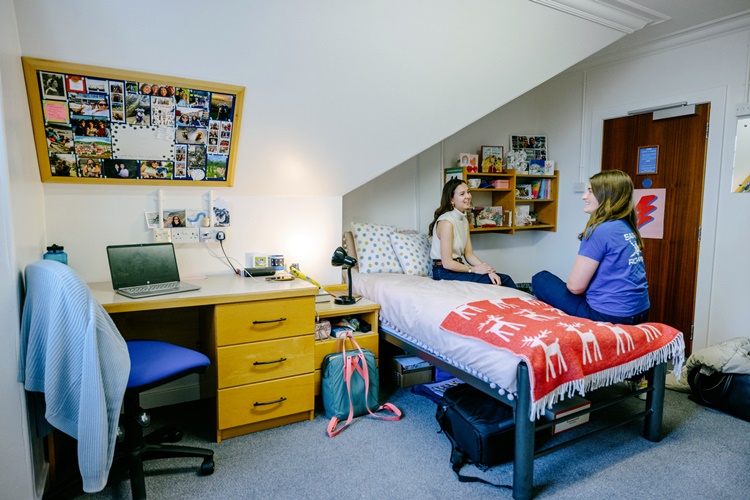
7. Student Housing Options
Some student housing providers allow short-term stays during off-season periods. This is a practical option for immigrants arriving during school breaks.
How seasonal student housing works: Universities rent out dorms or student apartments during holidays or between semesters.
Who can apply: Some programs are open to non-students, especially adults looking for short-term accommodation.
Cost advantages: Rates are often lower than market rentals because they are intended for temporary use.
This option is especially useful in cities with large universities and provides access to basic facilities at a reasonable cost.
Online Platforms for Finding Temporary Housing
Online platforms simplify the housing search. Websites connect people offering rooms, shared housing, or short-term rentals.
Types of platforms available: Craigslist, Facebook Marketplace, Airbnb, and specialized roommate-finding sites.
How to search safely: Verify listings, check reviews, and communicate clearly with landlords or hosts.
Communication tips: Ask about lease terms, included utilities, and neighborhood safety before committing.
Red flags to avoid: Avoid listings requiring payment upfront without a contract, or offers that seem unusually cheap for the area.
Online platforms allow us to compare options, plan our budget, and connect with landlords or hosts before arrival.
Tips for Finding Affordable Temporary Housing
Finding affordable housing requires planning. Several strategies help us reduce costs and secure reliable accommodation.
-
Choose shared housing – Renting a room in a shared apartment lowers expenses.
-
Stay outside expensive city centers – Suburban or smaller neighborhoods often have lower rents.
-
Negotiate longer short-term stays – Landlords may reduce rates for longer temporary leases.
-
Check community housing boards – Local bulletin boards may list available rooms or sublets.
-
Connect with immigrant networks – Communities often share housing leads and trusted contacts.
These strategies improve our chances of finding affordable, safe, and suitable temporary housing.
Things Immigrants Should Check Before Accepting Temporary Housing
Even temporary housing must meet basic safety and comfort standards. Before moving in, we should check:
-
Lease or agreement terms – Confirm length of stay, payment schedule, and rules.
-
Security deposit requirements – Understand refundable and non-refundable fees.
-
Safety of the neighborhood – Research crime rates and accessibility.
-
Access to transportation – Check public transit or commuting options.
-
Included utilities and services – Verify electricity, water, internet, and amenities.
Completing these checks helps prevent problems and ensures our stay is secure and manageable.
How Temporary Housing Helps Immigrants Transition to Permanent Housing
Temporary housing is only the first step in settling in the U.S. While staying in these accommodations, we can focus on:
-
Finding employment to secure income and build financial stability.
-
Building credit history by paying rent and bills on time.
-
Saving money for deposits and upfront costs of permanent housing.
-
Researching neighborhoods and rental markets for long-term options.
Temporary housing provides stability while we prepare for permanent housing and long-term settlement.
Common Housing Mistakes New Immigrants Should Avoid
Many immigrants make avoidable mistakes when choosing housing. We should avoid:
-
Paying deposits without contracts – Always sign agreements before paying.
-
Ignoring neighborhood safety – Research local crime rates and accessibility.
-
Accepting overpriced rentals – Compare market rates to avoid overpaying.
-
Not verifying landlords – Confirm legitimacy to prevent scams.
-
Moving too quickly without research – Take time to inspect housing and read reviews.
Avoiding these mistakes protects us from financial loss and stress while we settle.
Conclusion
Budget-friendly temporary housing options are essential for immigrants arriving in the United States. They allow us to settle quickly, manage costs, and prepare for permanent housing.
Whether we choose hostels, shared rooms, extended-stay hotels, homestays, nonprofit programs, sublets, or student housing, careful planning and research help us find safe and affordable accommodation. Temporary housing supports our transition, allowing us to focus on employment, community integration, and long-term stability while searching for permanent homes.
If we understand these available options and avoid common mistakes, we can make informed housing decisions that ease our first months in the U.S. and set the foundation for a successful settlement.