Choosing between renting and buying a house is one of the most important financial decisions we make. It affects how we spend our money every month, how flexible our lifestyle is, and how we build our future over time.
For many of us, the decision is not straightforward. Renting may feel easier and less stressful, especially when we are just starting out. Buying, on the other hand, may seem like a better long-term move because it builds ownership and value.
However, both options come with trade-offs. Renting can feel like we are paying without gaining ownership, while buying can tie us down with long-term financial responsibility.
In this article, we break everything down in simple terms. We compare renting and buying in detail, explain real cost differences, and show which option works best depending on our situation.
What Renting Means
Before comparing both options, we need to clearly understand what renting involves in real life.
Renting means we pay a landlord to live in a property for a fixed period, usually defined in a lease agreement. The lease can be short-term or long-term, but we do not own the property at any point.
When we rent:
- We pay monthly rent
- We may pay a security deposit upfront
- We must follow the landlord’s rules
- We cannot make major changes to the property
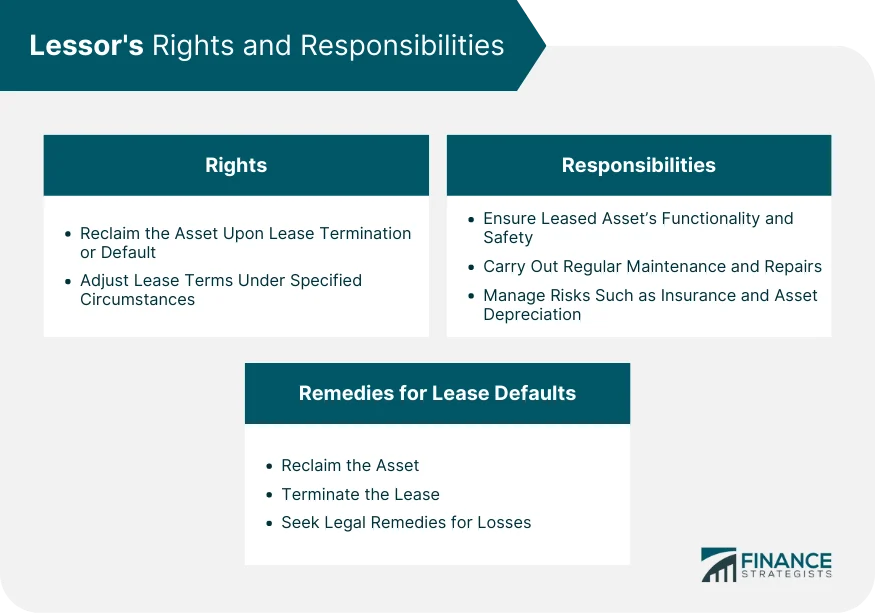
In most cases, the landlord is responsible for:
- Structural repairs
- Major maintenance issues
- Property safety
This means we have fewer responsibilities, but also less control.
Example scenario:
We rent an apartment for $1,200 per month. If the plumbing breaks, the landlord fixes it. But if we want to repaint the walls or make changes, we may not be allowed.
Renting works well when we want flexibility and lower responsibility.
What Buying a House Means
Now we look at what buying means in practical terms.
Buying a house means we own the property, either fully or through a mortgage. If we use a mortgage, we pay monthly installments until the loan is fully repaid.
When we buy:
- We pay a large upfront cost
- We take responsibility for all repairs
- We pay property taxes and insurance
- We have full control over the property
Unlike renting, buying allows us to build ownership over time. Each payment we make increases our share of the home.
Example scenario:
We buy a home for $300,000 with a mortgage. After several years of payments, we may own a significant portion of that property. If the value increases, we benefit from that growth.
Buying gives us control and long-term value, but it also requires commitment and planning.
Comparison – Renting vs Buying
Now we compare both options in detail across key areas that matter in real life.
1. Cost and Upfront Expenses
This is usually the first factor we consider.
Renting:
- Low upfront cost
- Typically includes:
- First month’s rent
- Security deposit
- Total upfront is usually 1–3 months of rent
Example:
If rent is $1,000 → upfront may be $2,000–$3,000
Buying:
- High upfront cost
- Includes:
- Down payment (3%–20%)
- Closing costs (2%–5%)
Example:
$300,000 home →
- Down payment: $9,000–$60,000
- Closing costs: $6,000–$15,000
Conclusion:
Renting is easier to start. Buying requires strong savings and financial preparation.
2. Monthly Expenses
Next, we look at ongoing monthly costs.
Renting:
- Fixed rent payment
- Some utilities may be included
- Few unexpected costs
Buying:
- Mortgage payment
- Property taxes
- Insurance
- Maintenance and repairs
Example:
Mortgage: $1,500
Extra costs: $400–$800
Total: $1,900–$2,300 monthly
Conclusion:
Renting is more predictable. Buying often has higher and less predictable monthly costs.
3. Flexibility
Flexibility is important, especially if our situation may change.
Renting:
- Easy to relocate after lease ends
- Minimal long-term commitment
- Suitable for changing jobs or cities
Buying:
- Selling a home takes time
- Involves legal and agent costs
- Not ideal for short-term plans
Example scenario:
If we get a new job in another city, leaving a rental is simple. Selling a house may take months.
Conclusion:
Renting offers flexibility. Buying requires stability and long-term plans.
4. Long-Term Value and Wealth
This is where buying has a strong advantage.
Renting:
- No ownership
- Payments do not build value
- No return on money spent
Buying:
- Builds equity over time
- Property may increase in value
- Can sell for profit later
Example:
Buy at $250,000 → value grows to $320,000
We gain $70,000 in value
Conclusion:
Buying builds wealth. Renting does not create long-term financial value.
5. Maintenance Responsibility
This affects daily living and unexpected costs.
Renting:
- Landlord handles major repairs
- Less stress for maintenance
Buying:
- We handle all repairs
- Costs can be unpredictable
Example:
- Broken heater: $1,500
- Roof repair: $5,000+
Conclusion:
Renting reduces responsibility. Buying requires planning for repairs.
6. Control and Freedom
Control over the property is another key difference.
Renting:
- Limited control
- Restrictions on decoration or changes
Buying:
- Full control
- Freedom to renovate, design, and modify
Example:
As homeowners, we can remodel the kitchen or repaint freely.
Conclusion:
Buying gives full control. Renting comes with limits.
7. Risk and Stability
Every financial decision comes with risk.
Renting:
- Low financial risk
- No exposure to property value changes
Buying:
- Property value may drop
- Long-term financial commitment
Example:
If market prices fall, the home value may decrease below purchase price.
Conclusion:
Renting is safer. Buying has higher risk but also higher potential reward.
When Renting Is the Better Option
Now that we understand the comparison, we can identify when renting makes more sense.
We should rent when:
- We plan to stay short-term (less than 3–5 years)
- We have limited savings
- We are unsure about job or location
- We want flexibility
- We prefer fewer responsibilities
Real scenario:
We move to a new country for work. Renting allows us to explore areas before making a long-term decision.
When Buying Is the Better Option
Buying works better in certain situations.
We should consider buying when:
- We plan to stay long-term (5+ years)
- We have stable income
- We can afford upfront costs
- We want to build wealth
- We are ready for responsibility
Real scenario:
We settle in a city with a stable job and plan to stay for many years. Buying becomes a strong long-term decision.
How to Decide What Works Best
Making the right choice requires careful thinking. We should evaluate our situation from different angles.
- Compare total cost over time: Renting may be cheaper short-term, buying may be cheaper long-term
- Assess income stability: Stable income supports buying
- Consider lifestyle: Frequent movement favors renting
- Evaluate future plans: Long-term plans favor buying
- Study local market: Some cities favor renting, others buying
We should avoid rushing this decision. Taking time to evaluate helps us avoid costly mistakes.
Conclusion
There is no single answer to whether renting or buying is better. The right choice depends on our financial position, lifestyle, and long-term goals.
Renting gives us flexibility, lower upfront cost, and less responsibility. Buying gives us ownership, control, and long-term financial value.
The best decision is the one that fits our current situation and supports our future plans. When we understand the differences clearly and plan carefully, we can choose the option that gives us both stability and growth over time.