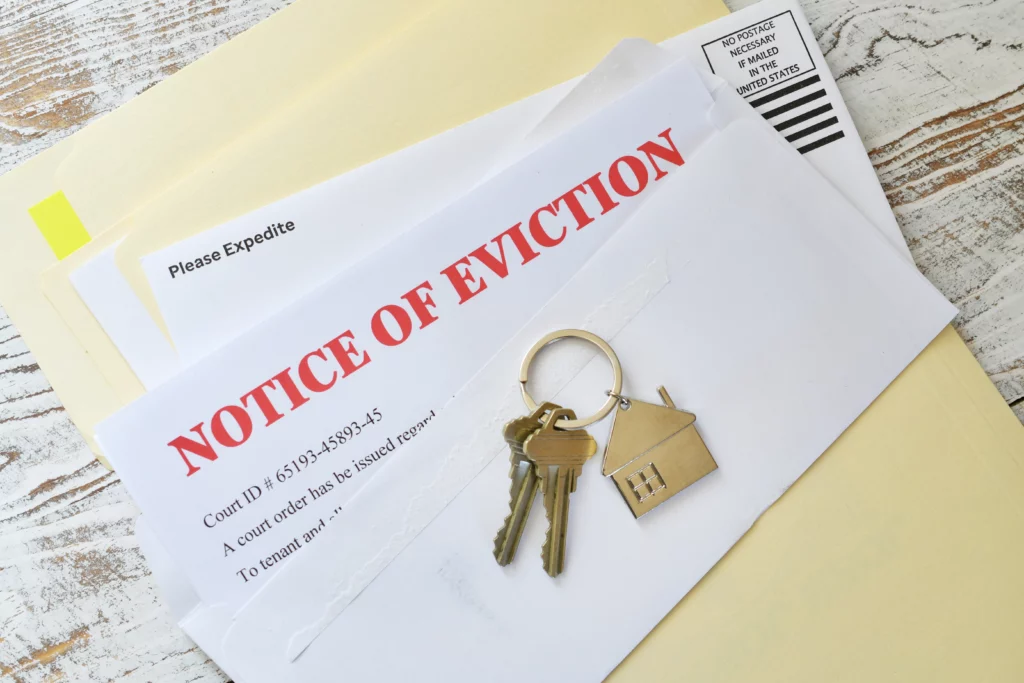
Eviction is one of the most stressful housing situations we can face. It often comes unexpectedly and can disrupt our daily life, finances, and stability.
Eviction can happen due to unpaid rent, lease violations, or other issues. If we do not respond properly, it can lead to loss of housing, financial pressure, and difficulty renting again in the future.
In this article, we explain what to do if eviction happens and how to respond step by step. By taking the right actions early, we can reduce the impact, protect our rights, and plan for the next steps.
What Eviction Means
Before taking action, we need to understand what eviction really is.
Eviction is a legal process where a landlord removes a tenant from a rental property. It does not happen instantly. In most cases, it follows a clear process:
- The landlord issues a written notice
- The tenant is given time to respond or fix the issue
- If unresolved, the landlord may go to court
- A final order may be issued before removal
This means we usually have time to act. Understanding this timeline is important because it gives us a chance to respond, negotiate, or stop the eviction before it becomes final.
Common Reasons for Eviction
To respond properly, we must understand why eviction is happening. The reason determines what action we should take.
Common causes include:
- Unpaid rent: The most common reason. Missing payments can quickly lead to notice.
- Breaking lease terms: This may include unauthorized pets, subletting, or noise violations.
- Property damage: Serious or repeated damage to the rental unit.
- Illegal activities: Activities that violate the law within the property.
- Expired lease without renewal: Staying after lease expiration without agreement.
Knowing the exact reason helps us choose the right solution. For example, unpaid rent can often be resolved quickly, while lease violations may require negotiation or correction.
Main Steps to Take If You Are Evicted
This is the most important section. These are the exact steps we should take immediately after receiving an eviction notice.
1. Read the Eviction Notice Carefully
Step: Go through the notice line by line.
What to check:
- Reason for eviction
- Deadline to respond or move out
- Amount owed (if any)
- Required action
How it helps:
This gives us a clear understanding of the situation. Without this, we may miss deadlines or misunderstand what the landlord wants.
Example: If the notice says we have 7 days to pay rent, we must act within that period to stop further action.
2. Confirm If the Eviction Is Legal
Step: Check if the landlord followed proper legal procedures.
What to verify:
- Was proper written notice given?
- Was the notice period correct?
- Does the reason match the lease agreement?
How it helps:
Some evictions are not valid. If rules are not followed, we may have the right to challenge the eviction.
Example: If a landlord asks us to leave immediately without notice, that is often not legal.
3. Communicate With the Landlord
Step: Contact the landlord as soon as possible.
What to discuss:
- Reason for eviction
- Possible solutions
- Time extension
How it helps:
Many landlords prefer resolving issues instead of going through a full eviction process. Communication can lead to agreements that stop or delay eviction.
Example: A tenant who explained a temporary financial issue was able to get extra time to pay rent.
4. Pay Outstanding Rent If Possible
Step: Settle unpaid rent within the notice period.
How it helps:
In many cases, paying what is owed can stop the eviction process completely. This is often called “curing the notice.”
Tips:
- Pay the full amount if possible
- Get a receipt or confirmation
- Inform the landlord after payment
Example: A tenant paid overdue rent within 5 days of receiving notice, and the eviction was canceled.
5. Seek Legal Advice or Tenant Support
Step: Contact legal aid services or tenant support groups.
How it helps:
They can explain our rights, review the notice, and help us respond properly. They may also represent us if the case goes to court.
What to prepare:
- Lease agreement
- Payment records
- Communication with landlord
Example: Legal support helped a tenant prove the eviction notice was invalid due to incorrect procedures.
6. Prepare for Court (If Required)
Step: Get ready if the case goes to court.
What to gather:
- Lease agreement
- Rent payment history
- Receipts and bank records
- Emails or messages with landlord
How it helps:
Being organized improves our chances of defending the case or reaching a fair outcome.
Example: A tenant showed proof of partial payments and negotiated a repayment plan instead of eviction.
7. Plan for Alternative Housing
Step: Start looking for another place immediately.
How it helps:
Even if we are trying to stop eviction, having a backup plan reduces risk. It prevents last-minute pressure if eviction proceeds.
Options to consider:
- Temporary housing
- Shared housing
- Staying with friends or family
Example: A tenant secured a short-term rental while resolving their eviction case, avoiding emergency relocation.
Options That May Help Stop or Delay Eviction
After taking the initial steps, we can explore options to manage the situation.
Practical options include:
- Requesting a payment plan: Spread unpaid rent over time
- Applying for rental assistance: Some programs help cover rent
- Asking for an extension: Request more time to move out
- Negotiating voluntary move-out: Agree to leave peacefully in exchange for no legal record
How it helps:
These options can reduce pressure, give us more time, or prevent eviction from appearing on our record.
Example: A tenant negotiated a move-out agreement that avoided court action and protected their rental history.
How to Protect Your Finances and Records
Eviction can affect future housing, so we must protect ourselves.
Steps to take:
- Keep records of all payments: Always have proof
- Save communication with landlord: Emails and messages matter
- Request written agreements: Avoid verbal promises
- Avoid leaving unpaid balances: This can lead to debt or legal action
How it helps:
Clear records protect us if disputes arise and improve our chances of renting again in the future.
Preparing for Moving Out
If eviction cannot be stopped, we need to prepare properly.
Steps to follow:
- Pack belongings early: Avoid last-minute stress
- Clean the property: Reduce deductions from deposit
- Return keys as required: Follow lease instructions
- Document property condition: Take photos before leaving
How it helps:
Proper move-out reduces extra charges and protects our deposit.
How to Recover After an Eviction
Eviction is not the end. We can rebuild with the right steps.
What we should focus on:
- Find new housing: Look for flexible or short-term options
- Improve financial stability: Budget and manage expenses
- Maintain payment discipline: Pay rent and bills on time
- Rebuild rental history: Start fresh with a good record
Example: A tenant who faced eviction later secured stable housing by maintaining consistent payments and providing references.
Conclusion
Eviction is a serious situation, but we can take steps to manage it. The key actions include:
- Understanding the eviction notice
- Communicating with the landlord early
- Paying outstanding rent if possible
- Seeking legal advice and support
- Preparing for alternative housing
If you act quickly and follow the right steps, we can reduce the impact of eviction and protect our future housing opportunities. With planning and discipline, we can recover and make better housing decisions moving forward.