One of the most important decisions international students face when moving abroad is choosing the right accommodation. Where you live can significantly affect your comfort, finances, academic focus, and overall experience in a new country. The three most popular housing options for international students are dormitories (on-campus housing), shared apartments, and homestays.
Each option comes with its unique benefits and challenges, and the choice often depends on budget, lifestyle preferences, and cultural expectations. In this article, we will explore these three types of student accommodation in detail, compare their advantages and drawbacks, and help you decide which one best suits your study abroad journey.
Dormitories (On-Campus Housing)
1 What Are Dormitories?
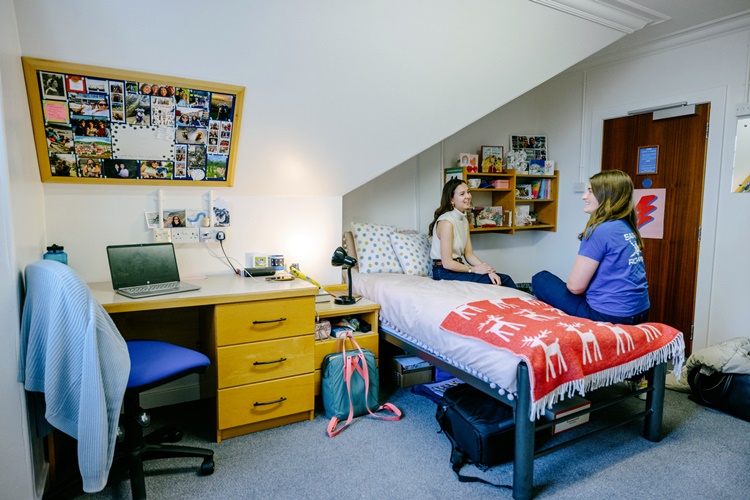
Dormitories, also known as student halls or on-campus housing, are residential facilities provided by universities. They are often located within or near the campus, making them highly convenient for students. Dorms can range from single rooms with shared bathrooms to more modern setups with private bathrooms and shared kitchens.
2 Advantages of Dormitories
-
Proximity to classes: Being on or near campus means shorter commutes and more time for study and social activities.
-
Built-in community: Dorms allow students to easily meet peers, join events, and form friendships.
-
Structured environment: Rules and resident advisors help maintain a safe and supportive living space.
-
Inclusive costs: Utilities like internet, electricity, and water are usually included in the fees.
3 Disadvantages of Dormitories
-
Limited privacy: Sharing rooms or bathrooms may not suit students who value personal space.
-
Noise and distractions: Social environments can sometimes interfere with study routines.
-
Fixed meal plans: Some dorms have mandatory dining hall plans, which may limit food choices.
-
Higher demand: Spots fill up quickly, especially in large universities.
4 Who Should Choose Dormitories?
Dorms are ideal for first-year students or those who want an immersive student community experience. They are also suitable for students new to the country who need time to adjust before exploring independent living.
Shared Apartments
1 What Are Shared Apartments?
Shared apartments, often located off-campus, allow students to rent a flat with one or more roommates. Each tenant usually has a private bedroom, while the kitchen, living room, and bathroom are shared.
2 Advantages of Shared Apartments
-
More independence: Students have control over their routines, meals, and lifestyle.
-
Privacy balance: While common spaces are shared, bedrooms are private.
-
Diverse roommates: Living with locals or other internationals can broaden cultural experiences.
-
Flexible options: Students can choose between budget-friendly or more upscale apartments.
3 Disadvantages of Shared Apartments
-
Additional responsibilities: Students must manage utilities, cooking, and cleaning.
-
Higher upfront costs: Security deposits, furniture purchases, and utility setups can be costly.
-
Potential conflicts: Differences in lifestyle or cleanliness can cause roommate disputes.
-
Commute to campus: Living farther from campus may require bus, train, or bike rides.
4 Who Should Choose Shared Apartments?
Shared apartments are best for mature students or those who have some experience living independently. They suit students who value a balance of privacy and social life while being willing to take on more responsibility.
Homestays
1 What Are Homestays?
In a homestay, international students live with a local host family, often in a private bedroom with shared household facilities. Meals may be included, depending on the arrangement. Homestays provide a unique opportunity to integrate into the local culture and improve language skills.
2 Advantages of Homestays
-
Cultural immersion: Living with locals provides firsthand exposure to traditions, customs, and daily life.
-
Language practice: Students improve fluency by communicating in the host country’s language.
-
Family environment: Support and guidance from a host family help reduce homesickness.
-
Meal inclusivity: Many homestays provide home-cooked meals, reducing food costs and cooking responsibilities.
3 Disadvantages of Homestays
-
Less independence: Students must adapt to the household’s rules and routines.
-
Limited privacy: Living in a family home can feel restrictive compared to other options.
-
Location: Some homestays may be located farther from universities.
-
Adjustment period: Cultural and lifestyle differences may take time to get used to.
4 Who Should Choose Homestays?
Homestays are ideal for younger students, those new to traveling abroad, or individuals who want to experience deep cultural integration. They are especially beneficial for students aiming to improve language proficiency.
Comparing the Three Options
1 Cost Considerations
-
Dorms: Often mid-range, with costs varying by location and amenities.
-
Shared Apartments: Flexible, but students must budget for utilities, deposits, and rent.
-
Homestays: May include meals, making them cost-effective for some students.
2 Lifestyle Fit
-
Dorms: Social and structured, good for first-timers.
-
Shared Apartments: Independent and flexible, good for experienced students.
-
Homestays: Family-oriented and cultural, good for immersive learners.
3 Long-Term Suitability
Many students start in dorms or homestays during their first year and later transition to shared apartments for more independence as they adapt to life abroad.
Tips for Choosing the Right Accommodation
-
Consider your budget: Factor in not just rent, but also utilities, transportation, and meals.
-
Think about your personality: Do you thrive in social settings or prefer quiet and privacy?
-
Check location: Proximity to campus and public transport is crucial.
-
Look into contracts: Understand lease terms, cancellation policies, and deposit requirements.
-
Seek reviews: Ask other international students or read online forums to learn about the experience.
Frequently Asked Questions (FAQs)
1. What is the cheapest type of student accommodation abroad?
Homestays can sometimes be the cheapest since they often include meals, but shared apartments are usually more budget-friendly if you split costs with roommates. Dormitories vary depending on the university and country.
2. Which option is best for first-year international students?
Dormitories are often the best choice for newcomers because they provide a supportive community, are close to campus, and make it easier to adjust to university life.
3. Can I change my accommodation after a semester?
Yes. Many students start in dorms or homestays during their first year and then move into shared apartments once they are familiar with the city and comfortable living more independently.
4. Do homestays require me to follow strict house rules?
Yes. Since you are living with a host family, you’ll need to respect their household rules, schedules, and lifestyle. This can be an adjustment but also offers cultural benefits.
5. Are dormitories always on campus?
Not always. Some universities provide off-campus dorm-style housing that is still managed by the university. These are usually located near the main campus.
6. Do I need to pay utility bills in student dorms?
No. Dormitory fees typically include utilities such as water, electricity, and internet. In shared apartments, however, you may need to pay for utilities separately.
7. How do I find a shared apartment abroad?
You can find shared apartments through student housing websites, university housing boards, local rental agencies, or social media groups for international students in your city.
8. Is it safe to live in a shared apartment as an international student?
Yes, as long as you research the neighborhood, verify the lease, and ideally meet your roommates beforehand. Many international students live safely in shared apartments worldwide.
9. Can I choose my roommates in a shared apartment or dorm?
In some cases, yes. Universities may match you with roommates based on preferences, while in private rentals you can often choose who you live with.
10. Which accommodation option is best for improving language skills?
Homestays are the best for language immersion since you live with locals and practice the language daily in real-life situations.
Conclusion
Choosing between dormitories, shared apartments, and homestays is one of the most important decisions for international students. Each option offers unique advantages: dorms provide a ready-made community, shared apartments offer independence, and homestays give cultural immersion.
The right choice ultimately depends on your budget, personality, and goals. Some students may even experience all three during their studies abroad, starting with dorms or homestays and later transitioning to shared apartments.
No matter which option you choose, planning ahead, researching carefully, and considering your needs will help you create a comfortable living environment that supports both your academic success and personal growth while studying abroad.